top of page
.png)

Shuffling gait can affect walking rhythm and step length, but it can also change how someone moves through their environment—especially when foot clearance, turning, and balance are challenged.
Added stability tools, such as walker weights and wheelchair anti-rollback devices, can help reduce unexpected movement and provide greater control during everyday mobility. For some users and caregivers, a more grounded walker and a wheelchair that won’t roll away during standing may feel easier and safer to manage.
How can shuffling gait affect mobility?
Shuffling gait can make walking feel short-stepped, hesitant, and harder to control around obstacles or transitions. It may appear with neurological conditions, deconditioning, or age-related mobility decline. Many people benefit from a layered approach: clinical care + therapy + home safety + the right mobility aid.
Mobility challenges in shuffling gait may include:
• Reduced foot clearance, which increases the chance of tripping.
• Difficulty with turns, thresholds, and crowded spaces.
• Short, hesitant steps that make walking feel less stable and less efficient.
• A tendency for the walker to feel too light or get out ahead of the user.
• Higher fall risk during stand-to-walk transitions and fatigue.
What people try to help:
• Therapy support: gait training may focus on bigger steps, foot clearance, rhythm, and turning.
• Home safety: reducing clutter, improving lighting, and smoothing transitions between rooms can help.
• Assistive devices: walkers or rollators may support safer daily movement when properly fitted.
• Caregiver support: cues, pacing, and supervision during transfers can reduce fall risk.
Walking support for
Shuffling Gait
Adjustable Walker Weights may help people with Shuffling Gait. The benefits include:
• Help a walker feel more stable and less likely to move too quickly on smooth floors.
• Support steadier control during small-step gait, turns, and doorway transitions.
• Allow caregivers and clinicians to start low and increase gradually as needed.
• Support confidence for safer mobility at home.
Discover Adjustable Walker Weights and the therapist-informed design that may support steadier walker control and safer daily mobility for individuals living with shuffling gait.

Suggested Placement Guidance for people with Shuffling Gait: place weights on bilateral front legs or bilateral back legs.
Always individualize placement with clinician input—especially when judgment and adherence are concerns.
No product
Fall Prevention support for
Shuffling Gait
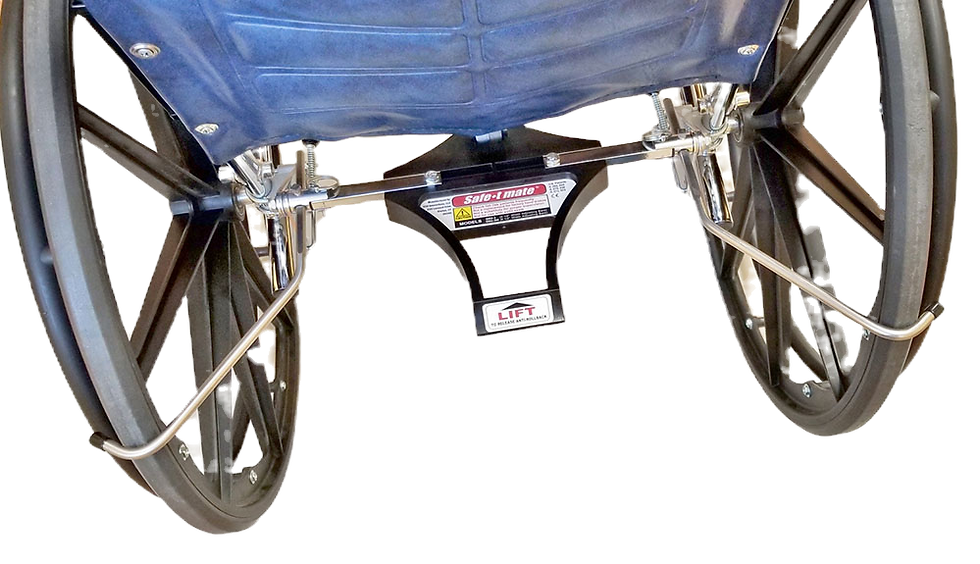
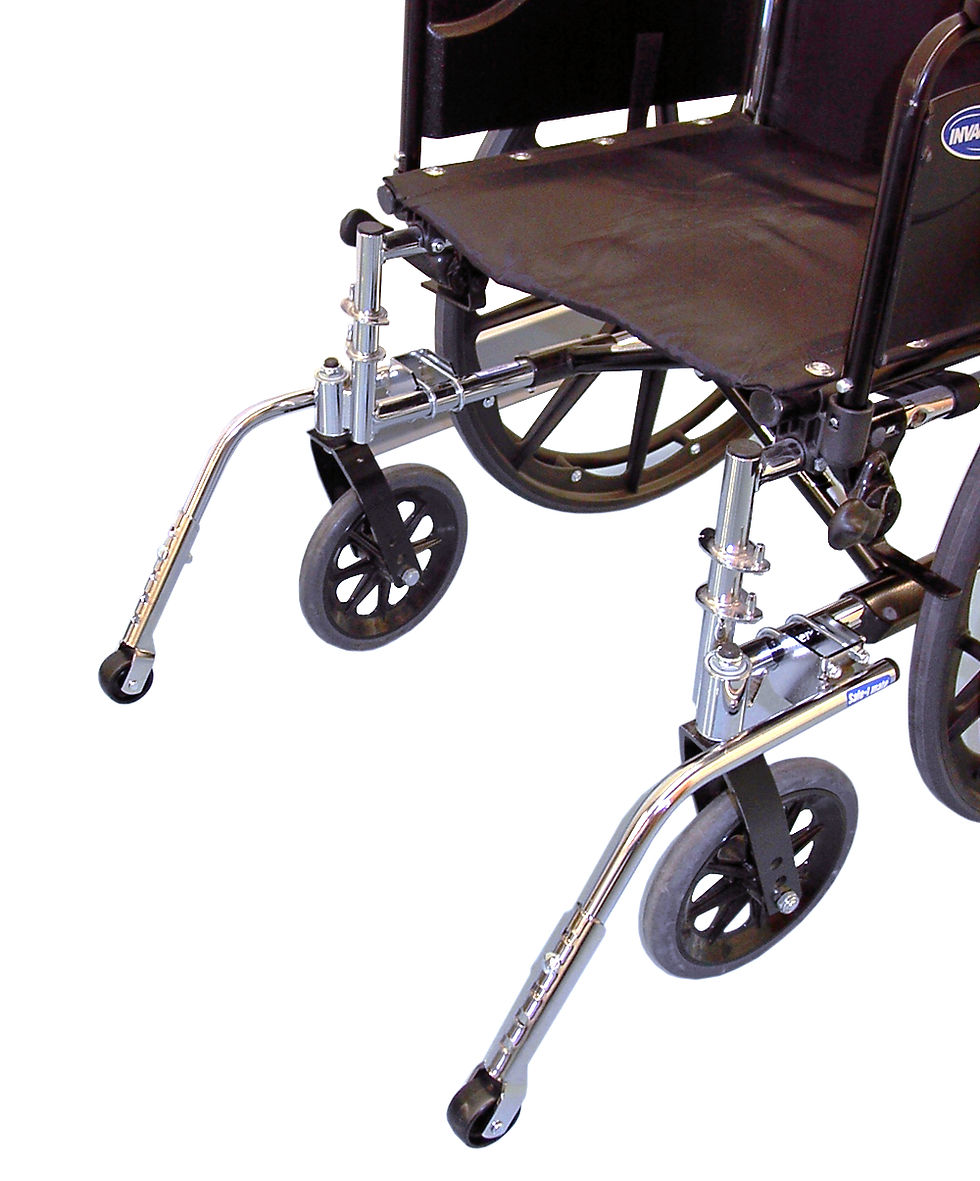
Anti-Rollback Devices may help people with Shuffling Gait. The benefits include:
• Prevent the wheelchair from rolling away by automatically helping stop backward wheelchair motion when a person begins to stand.
• Support safer transfers when step initiation is slow or balance feels uncertain.
• Work automatically when manual brakes are forgotten or not fully set.
• Move freely when seated for normal wheelchair mobility.
• Provide added peace of mind for caregivers during daily transfers.
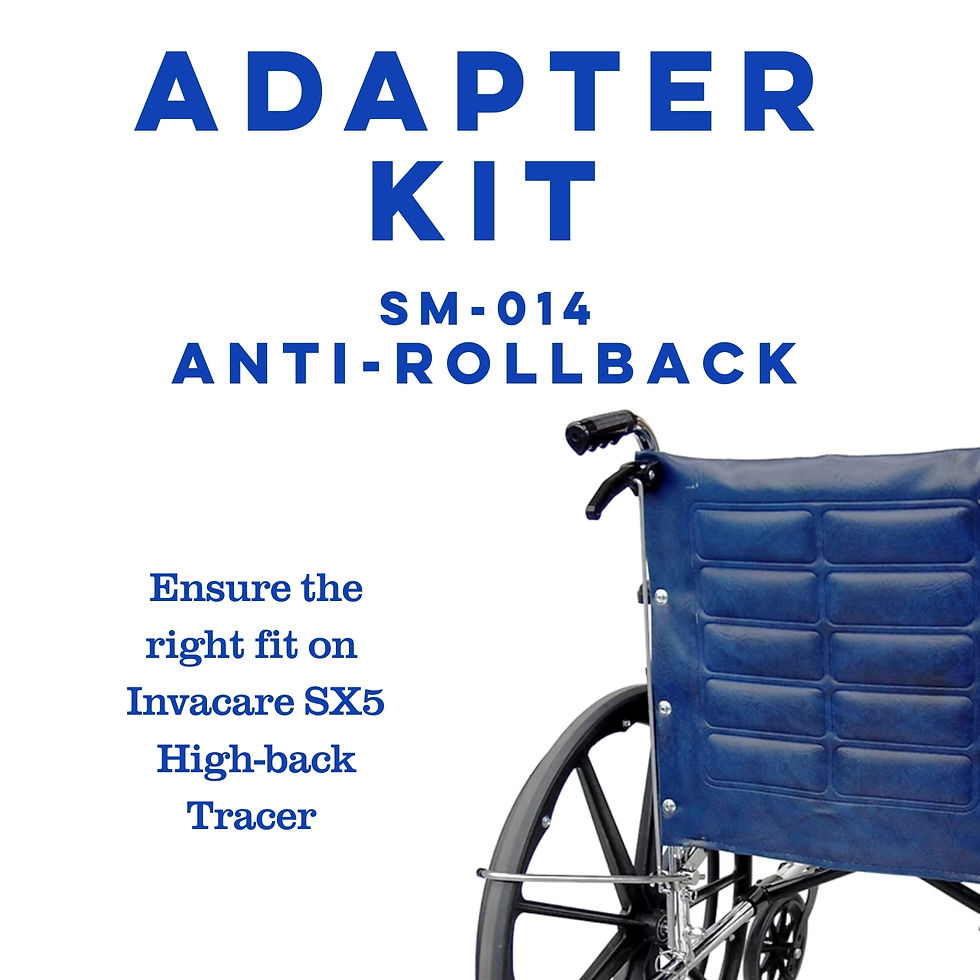
Discover the Safetmate Wheelchair Anti-Rollback Device, the original invention that may support safer transfers and greater peace of mind for individuals living with shuffling gait.
No product
No product
Safer Steps Start Here
Empower yourself or those you care for with the confidence to move more safely and independently. Discover the difference therapist-designed support can make.






bottom of page