top of page
.png)

Stroke can affect strength and coordination, but it can also change how someone moves through their environment—especially when one-sided weakness, balance, and trunk control are challenged. Types of stroke and cerebrovascular accident (CVA) include: ischemic (blockage), hemorrhagic (bleeding), and transient ischemic attack (mini-stroke).
Added stability tools, such as wheelchair anti-rollback devices and anti-tippers, can help reduce unexpected movement and provide greater control during everyday mobility. For some users and caregivers, a wheelchair that won’t roll away during standing or feel as vulnerable to tipping may feel easier and safer to manage.
How can stroke (CVA) affect mobility?
Stroke can affect mobility in ways that make standing, walking, and transfers feel uneven or effortful. Many stroke survivors deal with one-sided weakness, slower reaction time, reduced trunk control, or visual-perceptual changes. Many people benefit from a layered approach: clinical care + therapy + home safety + the right mobility aid.
Mobility challenges after stroke may include:
• Weakness or altered control on one side of the body.
• Difficulty shifting weight, balancing, or recovering from a loss of balance.
• Slower sit-to-stand transfers and reduced confidence when stepping.
• Problems with wheelchair positioning, brake setup, or foot placement during transfers.
• Higher fall risk during bathroom transfers, turns, and community mobility.
What people try to help:
• Rehabilitation therapy: PT/OT may target gait, trunk control, transfers, and one-handed mobility strategies.
• Home safety: grab bars, clear walking paths, seating changes, and caregiver setup are common supports.
• Assistive devices: walkers, hemi-walkers, and wheelchairs may be used depending on strength and endurance.
• Caregiver coaching: supervised transfers and consistent positioning routines can improve safety.
Fall Prevention support for
Stroke (CVA)
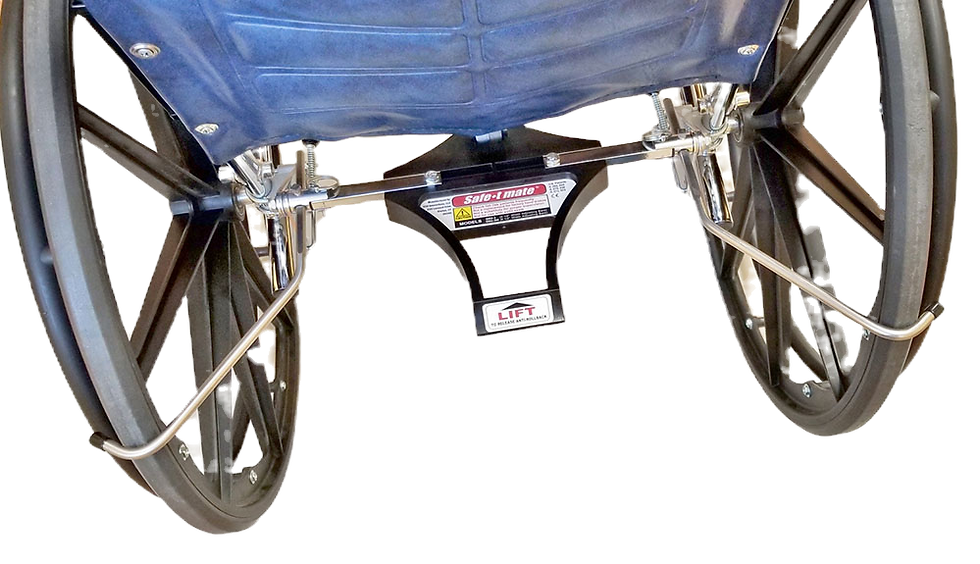
Anti-Rollback Devices may help people with Stroke (CVA). The benefits include:
• Prevent the wheelchair from rolling away by automatically helping stop backward wheelchair motion when a person begins to stand.
• Support safer transfers when one-sided weakness or slower reactions make manual brake use harder to manage.
• Work automatically, reducing reliance on timing, memory, and hand strength alone.
• Move freely when seated for normal wheelchair mobility.
• Provide added peace of mind for caregivers during daily transfers and rehab routines.
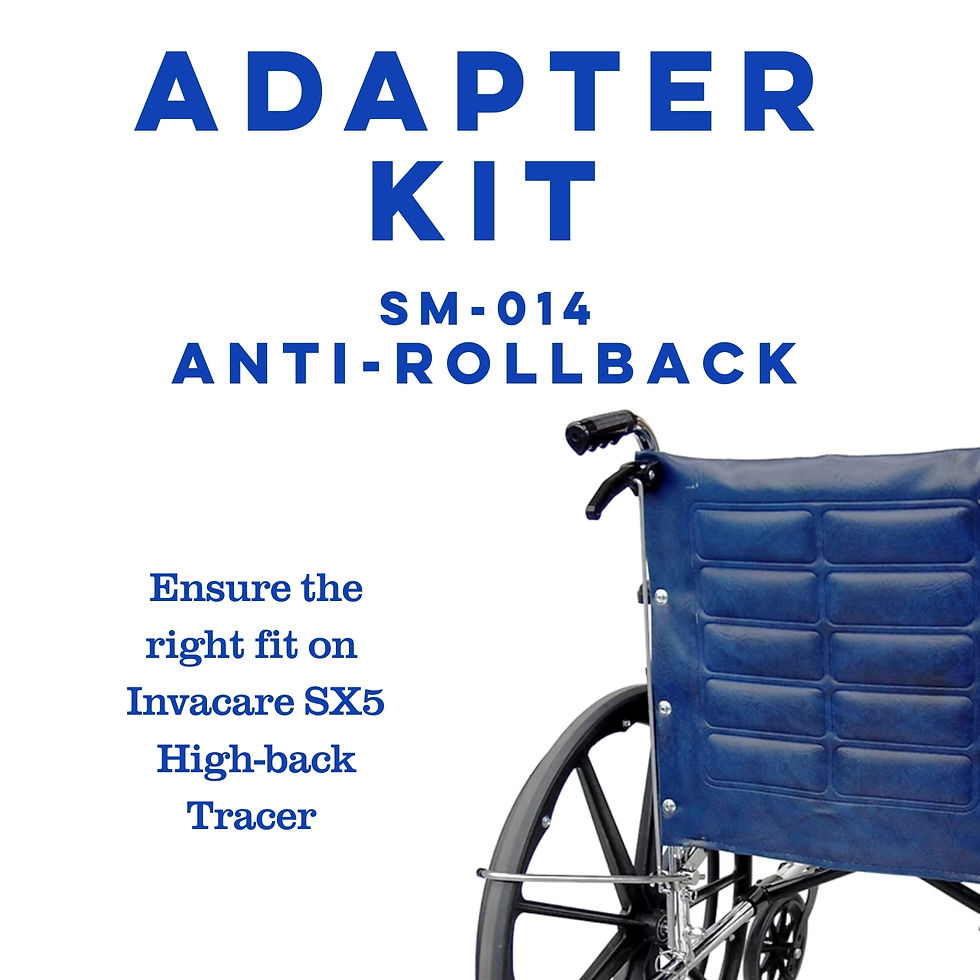
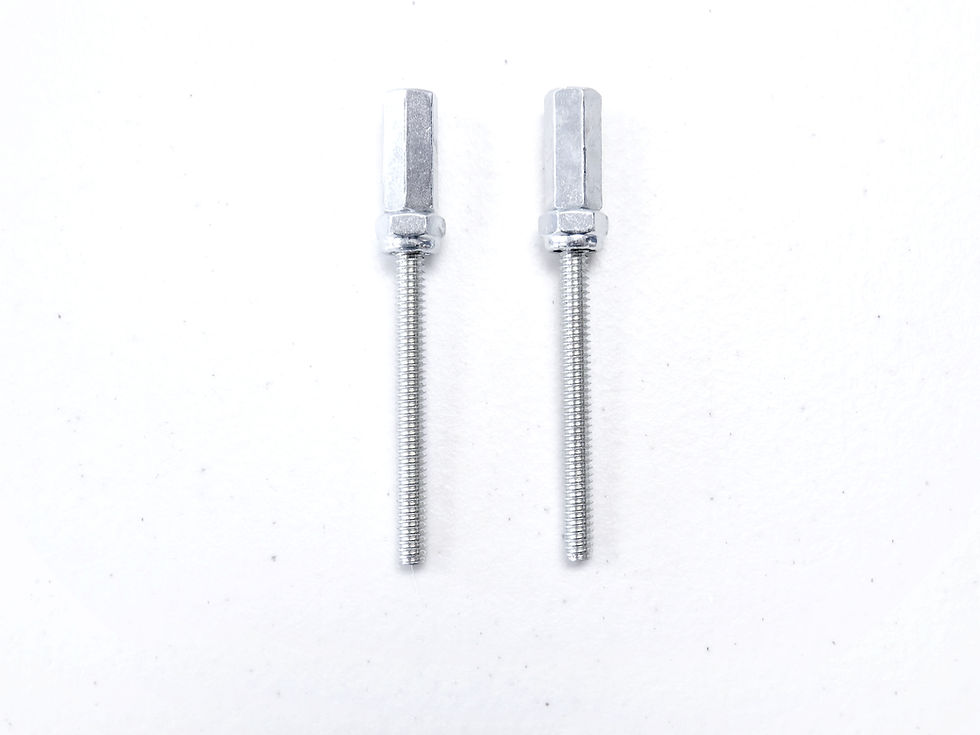
Discover the Safetmate Wheelchair Anti-Rollback Device, the original invention that may support safer transfers and greater peace of mind for individuals recovering from stroke.
No product
No product
Wheelchair stability support for
Stroke (CVA)
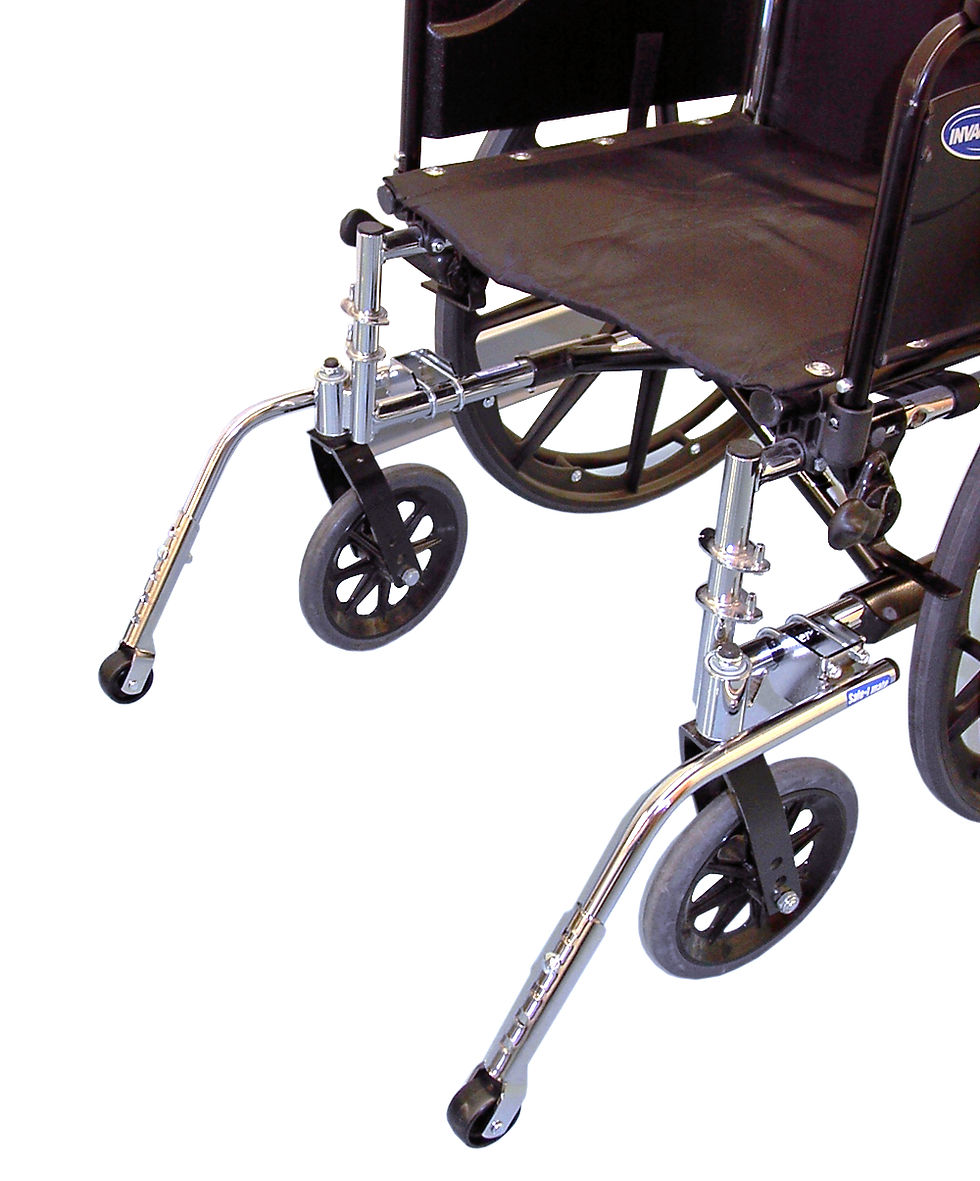
Anti-Tippers may help people with Stroke (CVA). The benefits include:
• Help reduce the risk of forward or backward tipping on thresholds, ramps, and uneven surfaces.
• Add wheelchair stability when trunk control, posture, or one-sided strength is reduced.
• Support safer repositioning and transfers at home.
• Pair well with anti-rollback devices for more complete wheelchair fall prevention.
Discover Safetmate Anti-Tippers and the wheelchair anti-tip protection that may support added stability and safer daily mobility for individuals recovering from stroke.
No product
No product
Safer Steps Start Here
Empower yourself or those you care for with the confidence to move more safely and independently. Discover the difference therapist-designed support can make.






bottom of page