.png)

Alzheimer’s can affect memory and thinking, but it can also change how someone moves through their environment—especially when attention, judgment, and balance are challenged.
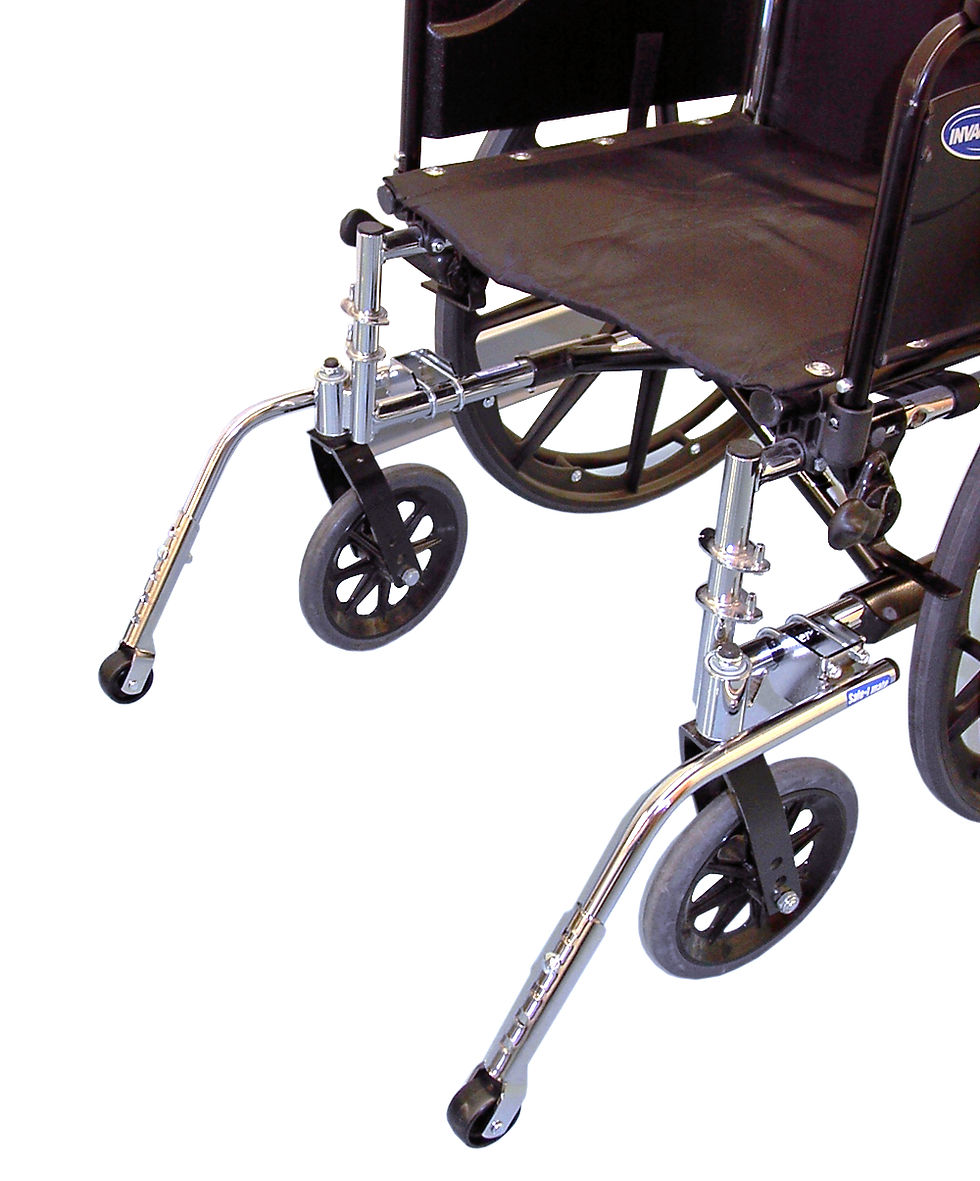
Added stability tools, such as wheelchair anti-rollback devices and walker weights, can help reduce unexpected movement and provide greater control during everyday mobility. For some users and caregivers, a more grounded walker and a wheelchair that won’t roll away during standing may feel easier and safer to manage.
How common is Alzheimer’s?
An estimated 7.2 million Americans age 65+ are living with Alzheimer’s dementia in 2025 (Alzheimer’s Association). Alzheimer’s Disease can affect mobility in ways that make walking feel less automatic and less steady. Many people benefit from a layered approach: clinical care + therapy + home safety + the right mobility aid.
Walking challenges in Alzheimer’s may include:
-
Reduced safety awareness and judgment (e.g., forgetting to use the walker consistently).
-
Difficulty with divided attention (walking while talking, carrying items, navigating crowds).
-
Slower gait, shorter steps, or shuffling—especially as the disease progresses or when tired.
-
Increased fall risk due to balance changes and environmental misjudgments (thresholds, rugs, clutter).
-
Difficulty with turns and transitions, which can trigger hesitation or unsteady movement.
What people try to help:
-
Care routines + supervision: consistent cues, caregiver strategies, and structured routines are commonly used.
-
Home safety: decluttering, lighting improvements, contrast markings, and reducing trip hazards are standard supports.
-
Therapy support: PT/OT may focus on balance, transfers, safe walker use, and caregiver education.
-
Assistive devices: walkers/rollators are used when appropriate, but adherence and correct use often require coaching.
Fall Prevention support for
Alzheimer's & Dementia
Anti-Rollback Devices may help people with Alzheimer's and Dementia. The benefits could include:
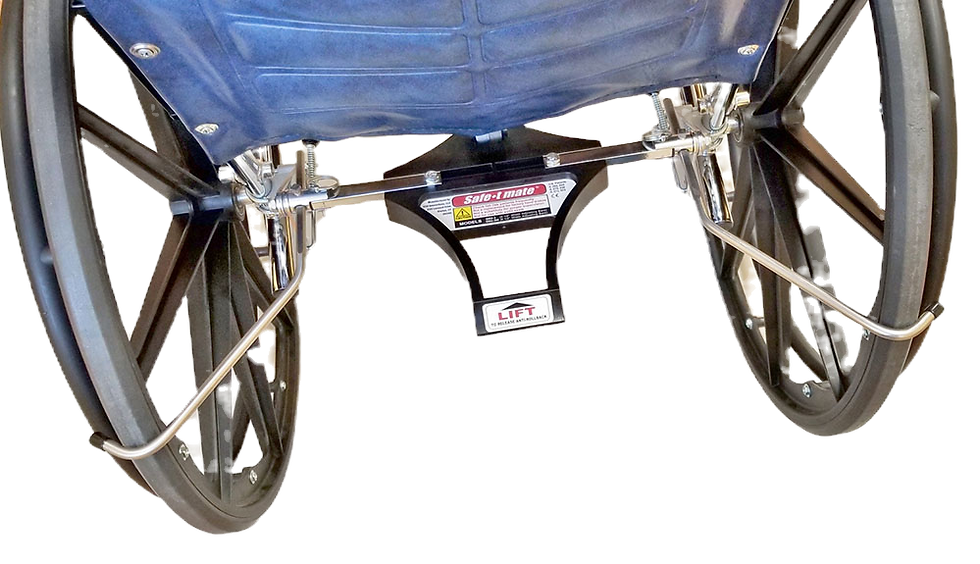
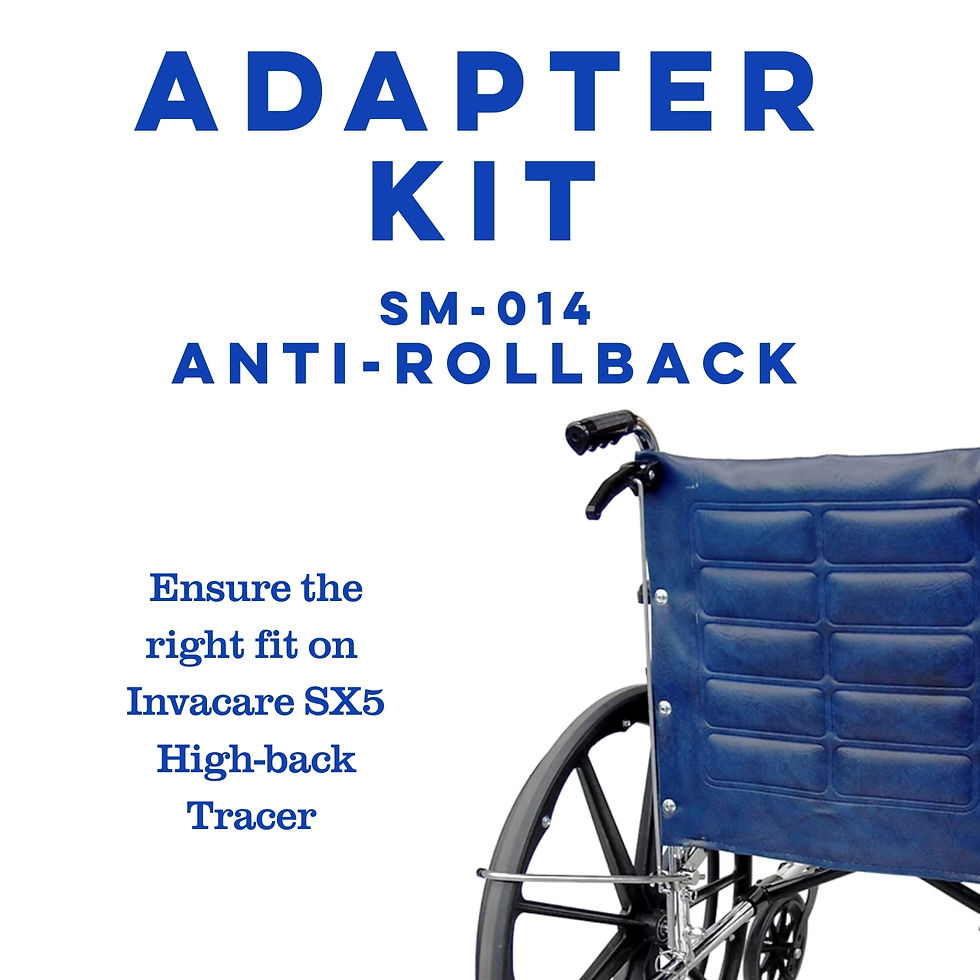
• Prevents the wheelchair from rolling away. The device automatically locks the wheels when a person begins to stand, helping prevent the chair from moving backward during transfers.
• Works automatically when brakes are forgotten. People living with memory challenges may forget to set wheelchair brakes. Anti-rollback devices activate automatically—no extra steps required.
• Supports safer sit-to-stand movements. The wheelchair stays stable during standing and transfers, reducing the risk of slips or falls.
• Moves freely when seated. When the user is safely seated, the device releases so the wheelchair rolls normally for everyday mobility.
• Provides peace of mind for caregivers. Automatic braking helps reduce fall risk, giving caregivers added confidence that their loved one is safer during daily movement.
Discover the Safetmate Wheelchair Anti-Rollback Device, the original invention that may support safer daily mobility and higher quality of life for individuals living with Alzheimer’s Disease and Dementia.


Walking support for Alzheimer's & Dementia
Adjustable Walker Weights may help people with Alzheimer's and Dementia. The benefits could include:
• Helping a walker feel more stable and less likely to “skate” forward on smooth floors.
• Supporting steadier control during turns and transitions (sit‑to‑stand, doorway navigation).
• Allowing caregivers/clinicians to start low and increase gradually as needed.
• Supporting confidence for safer mobility at home.
Discover Adjustable Walker Weights and the therapist-informed design that may support steadier walker control and safer daily mobility for individuals living with Alzheimer’s Disease and Dementia.

Suggested Placement Guidance for people with Dementia: place weights on bilateral side bars and/or bilateral front legs.
Always individualize placement with clinician input—especially when judgment and adherence are concerns.