top of page
.png)

After illness, mobility can feel different than it did before, and that can change how someone moves through their environment—especially when strength, endurance, and confidence are challenged.
Added stability tools, such as wheelchair anti-rollback devices and walker weights, can help reduce unexpected movement and provide greater control during everyday mobility. For some users and caregivers, a more grounded walker and a wheelchair that won’t roll away during standing may feel easier and safer to manage.
How can illness affect mobility?
After illness, even routine movement can feel less automatic. Weakness, fatigue, shortness of breath, dizziness, or time in bed can make walking and transfers slower and less steady for a while. Many people benefit from a layered approach: medical follow-up + therapy + home safety + the right mobility aid.
Mobility challenges after illness may include:
• Reduced stamina for walking room-to-room or completing daily routines.
• General weakness that affects balance and reaction time.
• Slower transfers in and out of chairs, wheelchairs, or bed.
• A higher risk of losing confidence after a recent setback or hospitalization.
• The need for temporary mobility support even if a device was not needed before.
What people try to help:
• Therapy support: PT/OT may focus on rebuilding strength, endurance, balance, and transfers.
• Pacing and rest: spacing activities through the day can help prevent exhaustion-related falls.
• Home safety: simplifying routes and keeping essentials within reach can reduce unnecessary strain.
• Assistive devices: walkers or wheelchairs may help keep mobility safer during recovery.
Fall Prevention support
After Illness
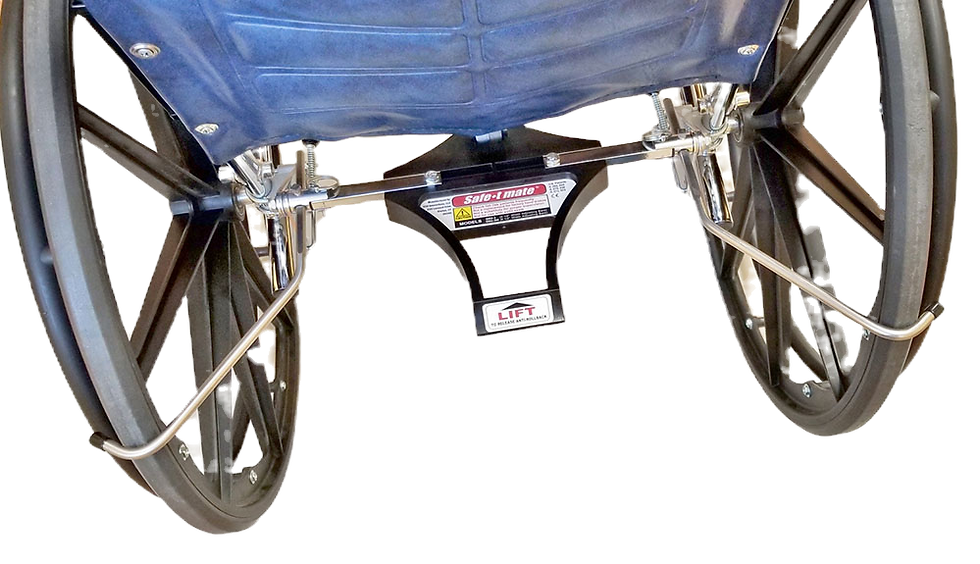
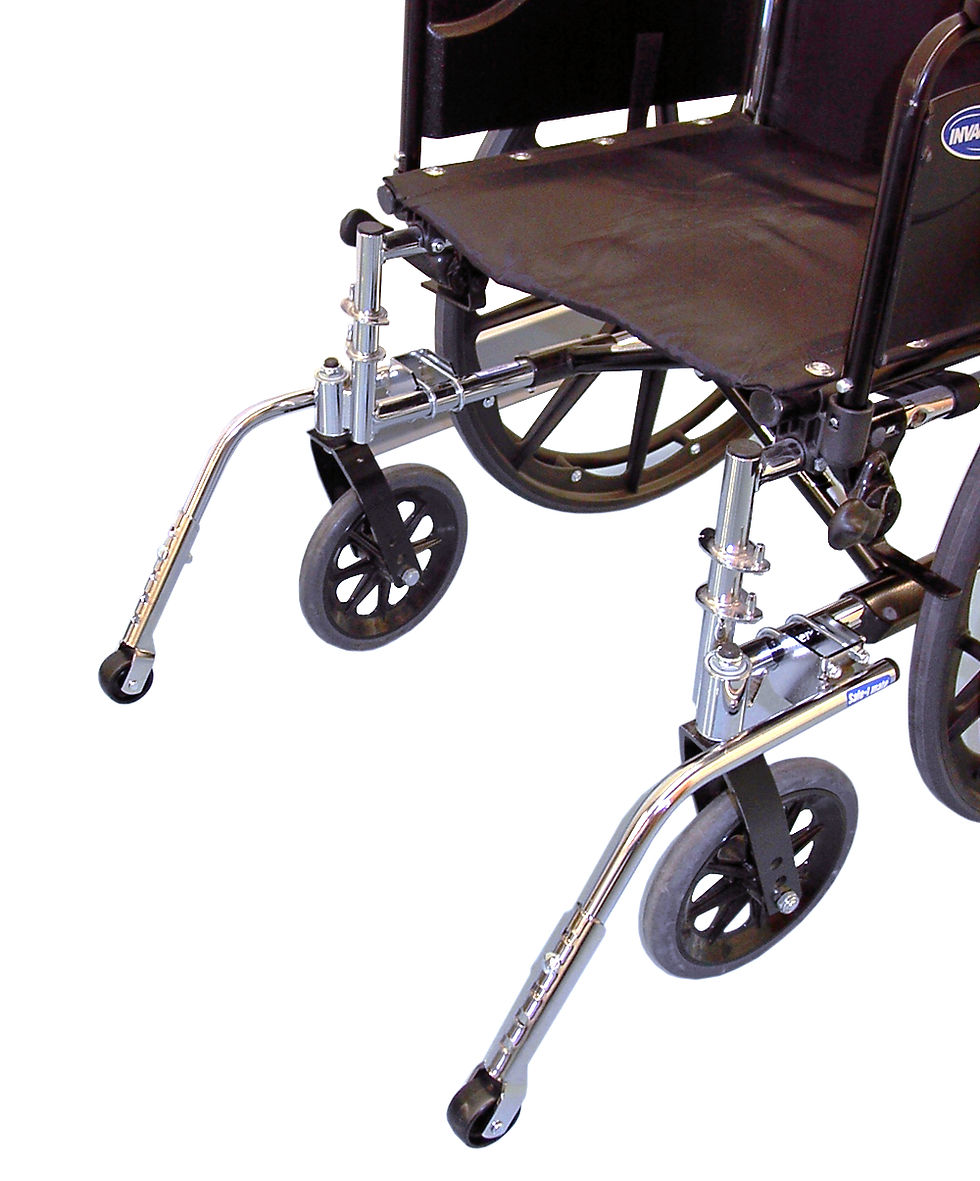
Anti-Rollback Devices may help people with recovery after illness. The benefits include:
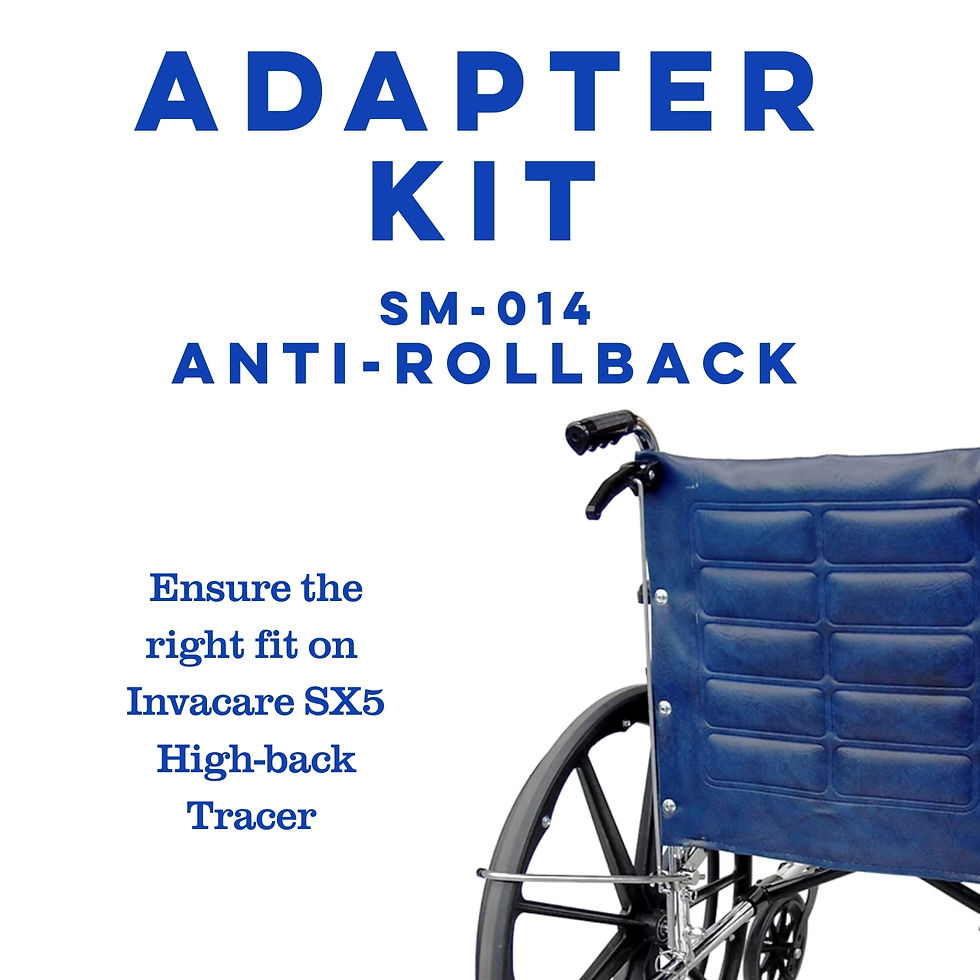
• Prevent the wheelchair from rolling away by automatically helping stop backward wheelchair motion when a person begins to stand.
• Support safer transfers when strength and timing are not yet back to baseline.
• Work automatically when manual brakes are forgotten or difficult to manage consistently.
• Move freely when seated for normal wheelchair mobility.
• Provide peace of mind for caregivers during recovery at home.
Discover the Safetmate Wheelchair Anti-Rollback Device, the original invention that may support safer transfers and greater peace of mind during recovery after illness.
No product
No product
Walking support After Illness
Adjustable Walker Weights may help people with recovery after illness. The benefits include:
• Help a walker feel more stable and less likely to move too quickly on smooth floors.
• Support steadier control during early walking practice, turns, and transitions.
• Allow caregivers and clinicians to start low and increase gradually as strength returns.
• Support confidence for safer mobility at home.
Discover Adjustable Walker Weights and the therapist-informed design that may support steadier walker control and safer daily mobility during recovery after illness.
No product
Safer Steps Start Here
Empower yourself or those you care for with the confidence to move more safely and independently. Discover the difference therapist-designed support can make.






bottom of page