top of page


Alzheimer’s can affect memory and thinking, but it can also change how someone moves through their environment—especially when attention, judgment, and balance are challenged.
Added stability tools, such as wheelchair anti-rollback devices can help reduce unexpected movement and provide greater control during everyday mobility. For some users and caregivers, a wheelchair that won’t roll away during standing may feel easier and safer to manage.
How common is Alzheimer’s?
An estimated 7.2 million Americans age 65+ are living with Alzheimer’s dementia in 2025 (Alzheimer’s Association). Alzheimer’s Disease can affect mobility in ways that make rising from sitting to standing feel less automatic and less steady. Many people benefit from a layered approach: clinical care + therapy + home safety + the right mobility aid.
Walking challenges in Alzheimer’s may include:
-
Reduced safety awareness and judgment (e.g., forgetting to set the brakes consistently).
-
Difficulty with divided attention (rising while talking, holding items, reaching forward).
-
Longer time to find footing movements when rising—especially as the disease progresses or when tired.
-
Increased fall risk due to balance changes and environmental misjudgments (thresholds, rugs, clutter).
-
Difficulty with transitions, which can trigger hesitation or unsteady movement.
What people try to help:
-
Care routines + supervision: consistent cues, caregiver strategies, and structured routines are commonly used.
-
Home safety: decluttering, lighting improvements, contrast markings, and reducing trip hazards are standard supports.
-
Therapy support: PT/OT may focus on balance, transfers, brake use, and caregiver education.
Fall Prevention support for
Alzheimer's & Dementia
Anti-Rollback Devices may help people with Alzheimer's and Dementia. The benefits could include:
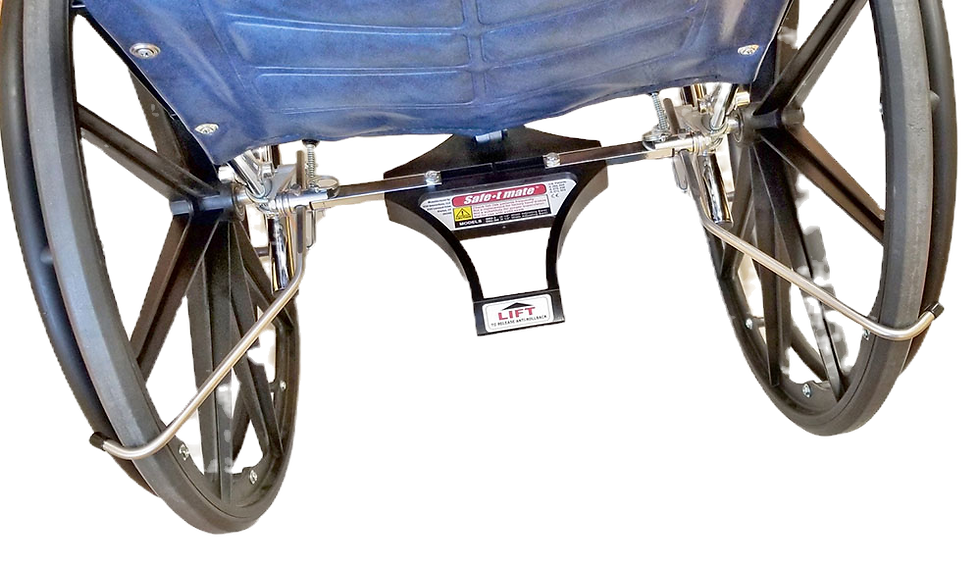
• Prevents the wheelchair from rolling away. The device automatically locks the wheels when a person begins to stand, helping prevent the chair from moving backward during transfers.
• Works automatically when brakes are forgotten. People living with memory challenges may forget to set wheelchair brakes. Anti-rollback devices activate automatically—no extra steps required.
• Supports safer sit-to-stand movements. The wheelchair stays stable during standing and transfers, reducing the risk of slips or falls.
• Moves freely when seated. When the user is safely seated, the device releases so the wheelchair rolls normally for everyday mobility.
• Provides peace of mind for caregivers. Automatic braking helps reduce fall risk, giving caregivers added confidence that their loved one is safer during daily movement.
Discover the Safetmate Wheelchair Anti-Rollback Device, the original invention that may support safer daily mobility and higher quality of life for individuals living with Alzheimer’s Disease and Dementia.


Safer Steps Start Here
Empower yourself or those you care for with the confidence to move more safely and independently. Discover the difference our products can make.
Best sellers





bottom of page