top of page
.png)

Hemispatial neglect can affect awareness and perception, but it can also change how someone moves through their environment—especially when one side of the body or space is not noticed consistently.
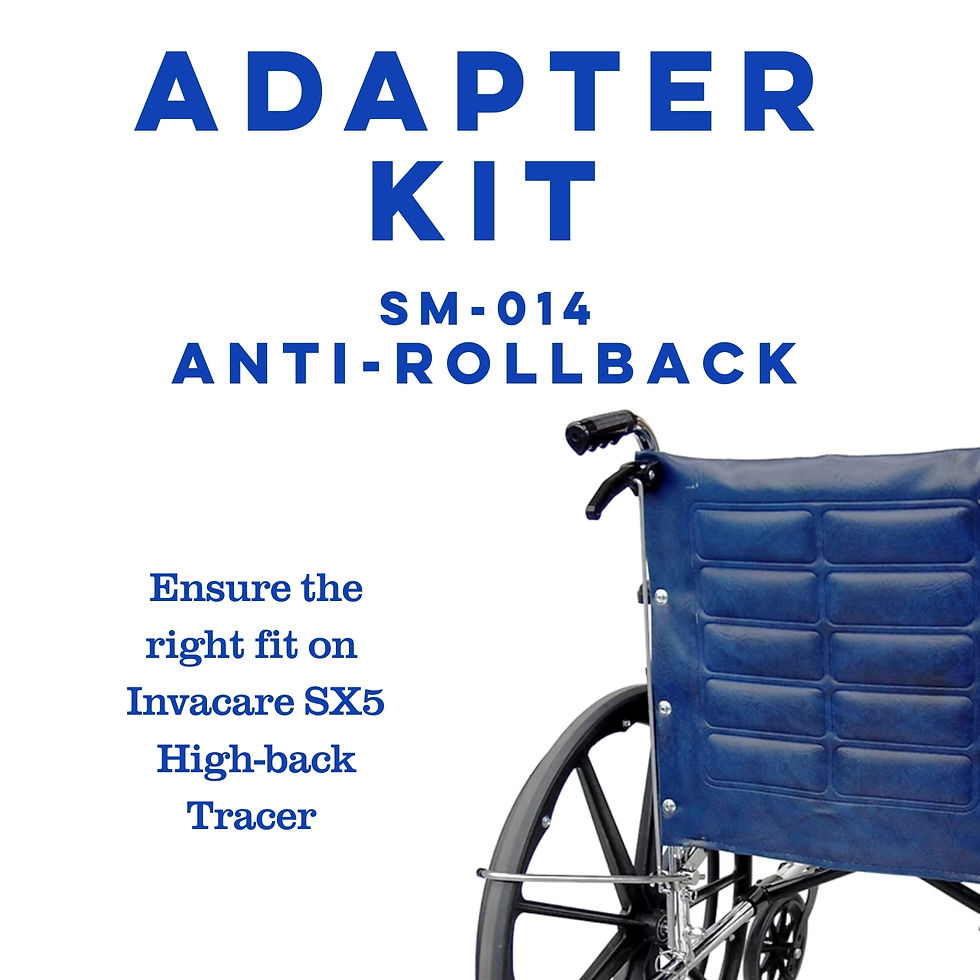
Added stability tools, such as wheelchair anti-rollback devices and anti-tippers, can help reduce unexpected movement and provide greater control during everyday mobility. For some users and caregivers, a wheelchair that won’t roll away during standing or feel as vulnerable to tipping may feel easier and safer to manage.
How can hemispatial neglect affect mobility?
Hemispatial neglect often follows stroke or brain injury and can make one side of the body or environment harder to notice. That can affect walking, wheelchair positioning, brake use, and awareness of obstacles on the neglected side. Many people benefit from a layered approach: clinical care + therapy + home safety + the right mobility aid.
Mobility challenges in hemispatial neglect may include:
• Bumping into doorways, furniture, or people on the affected side.
• Missing a wheelchair brake, footrest, or armrest on one side during transfers.
• Uneven weight shifting or leaning that can make standing and repositioning less steady.
• Difficulty scanning the environment while walking with a walker or wheelchair.
• Higher fall risk during turning, bathroom transfers, and crowded or unfamiliar settings.
What people try to help:
• Rehab therapy: PT/OT may work on visual scanning, body awareness, balance, and transfer training.
• Home safety: simplifying layouts, improving contrast, and arranging key items on the stronger side can help.
• Caregiver cueing: verbal prompts and step-by-step setup are often used during transfers and walking.
• Assistive devices: wheelchairs and walkers may be used more safely when paired with stability supports.
Fall Prevention support for
Hemispatial Neglect
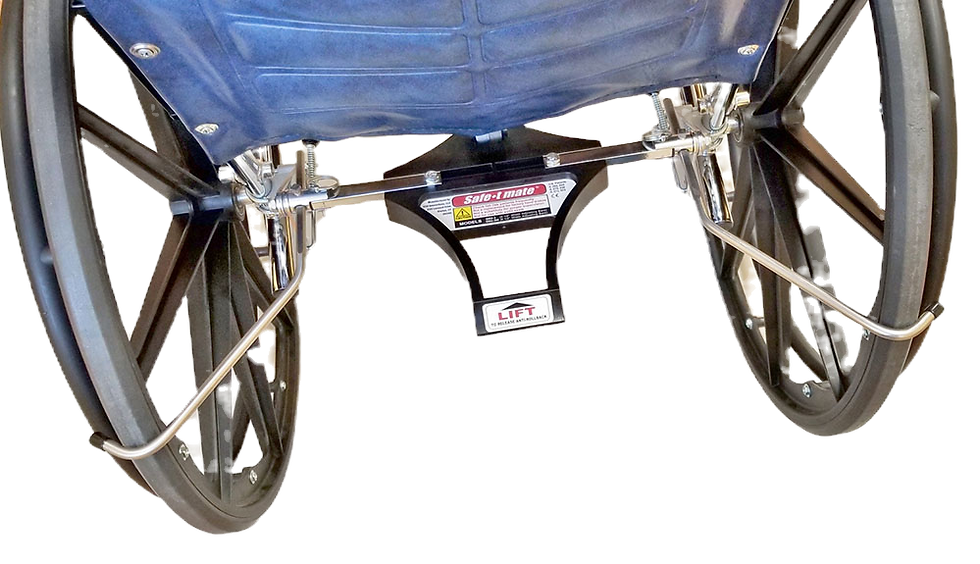
Anti-Rollback Devices may help people with Hemispatial Neglect. The benefits include:
• Prevent the wheelchair from rolling away by automatically helping stop backward wheelchair motion when a person begins to stand.
• Support safer transfers when reduced awareness makes brake setup less reliable.
• Work automatically when a brake is missed, forgotten, or difficult to manage on one side.
• Move freely when seated for normal everyday wheelchair mobility.
• Provide added peace of mind for caregivers during toileting, dressing, and seated repositioning.
Discover the Safetmate Wheelchair Anti-Rollback Device, the original invention that may support safer transfers and greater peace of mind for individuals living with hemispatial neglect.


Wheelchair stability support for
Hemispatial Neglect
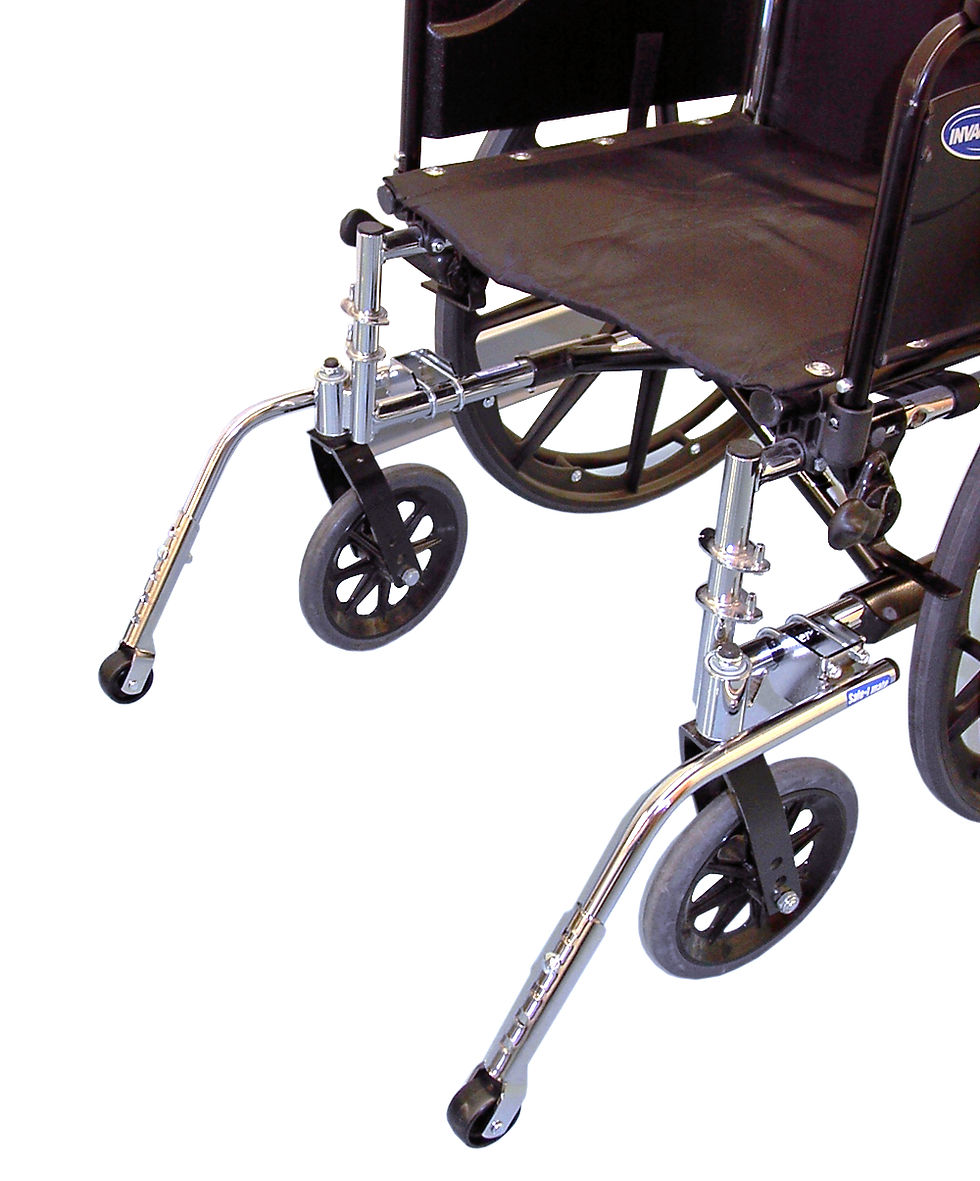
Anti-Tippers may help people with Hemispatial Neglect. The benefits include:
• Help reduce the risk of forward or backward tipping on ramps, thresholds, and uneven surfaces.
• Add wheelchair stability when leaning, asymmetrical posture, or one-sided awareness problems are present.
• Support safer transfers and repositioning at home.
• Pair well with anti-rollback devices for more complete wheelchair fall prevention.
Discover Safetmate Anti-Tippers and the wheelchair anti-tip protection that may support added stability and safer daily mobility for individuals living with hemispatial neglect.

Safer Steps Start Here
Empower yourself or those you care for with the confidence to move more safely and independently. Discover the difference therapist-designed support can make.






bottom of page